Physiotherapy after bunion surgery is often helpful rather than strictly mandatory, and its role depends on the stage of recovery and how the individual foot is healing. Mr Nazir’s Rapid Bunion™ protocol, his trademarked minimally invasive bunion correction protocol, incorporates specific hands-on techniques from around two weeks post-surgery, including scar massage and guided toe exercises, that support healing but are tailored to each patient rather than applied as a blanket requirement. The sections below answer the most common questions patients ask about physiotherapy, exercises and movement after keyhole bunion surgery, and sit alongside Bunion Surgery Recovery: Timeline, Pain & Return to Activity for a full week-by-week view of what to expect.
Do I need formal physiotherapy after bunion surgery?
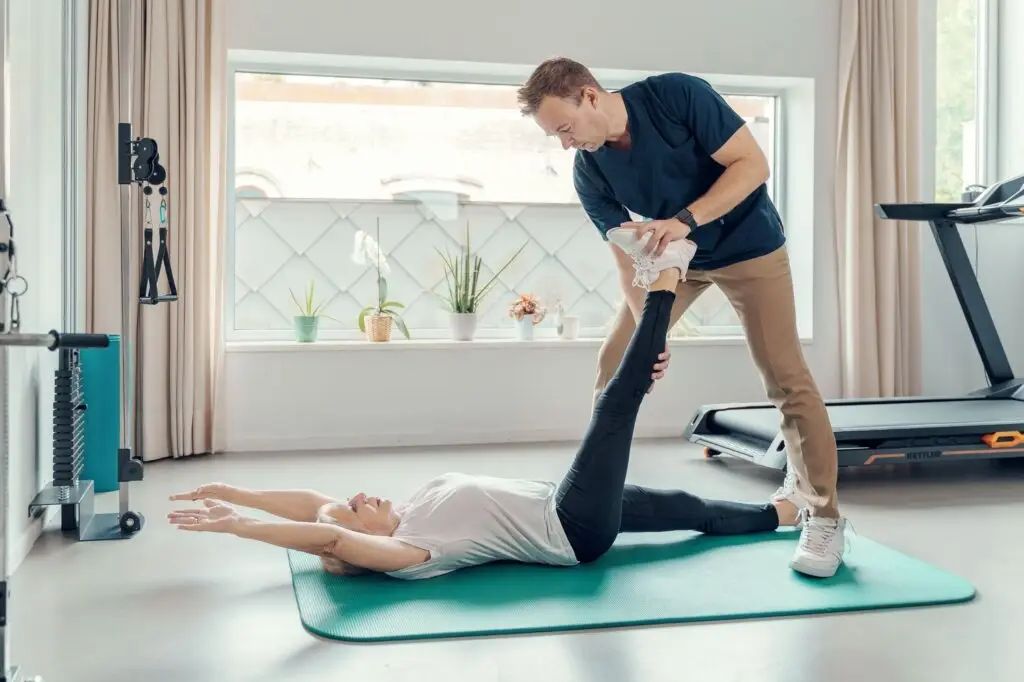
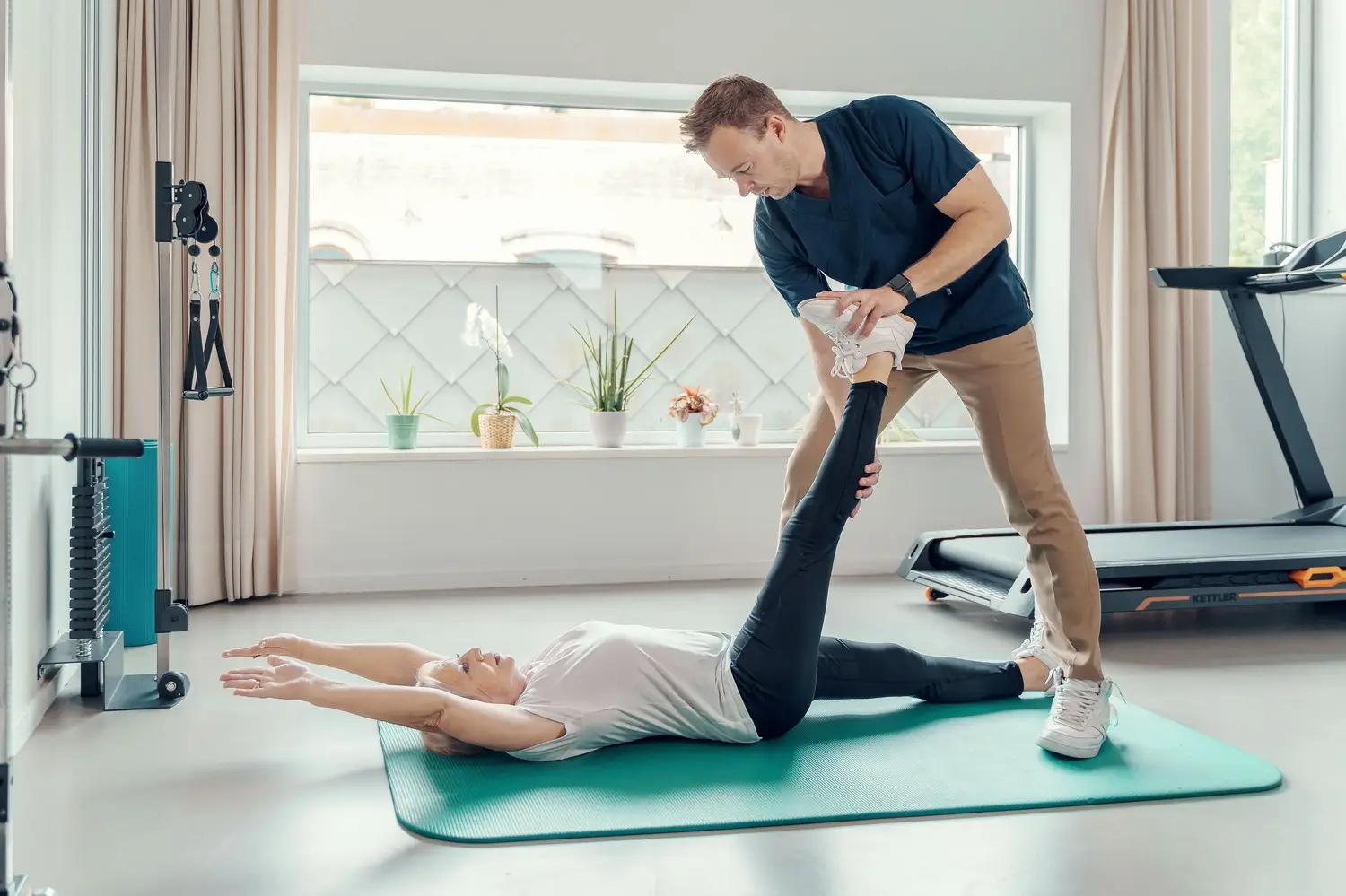
Not every patient needs a course of formal physiotherapy, but gentle, guided movement is a standard part of recovery after keyhole bunion surgery. Mr Nazir explains that from two weeks post-operatively, patients begin deep tissue massage around the small scars, work on reducing swelling, and desensitise the foot. This is combined with range-of-motion exercises at the big toe joint, moving from passive stretching to active movement as healing progresses. Whether this is delivered by a physiotherapist or guided directly through Mr Nazir’s aftercare instructions depends on the individual case, and always follows the care team’s advice to avoid setbacks.
When does physiotherapy or exercise typically start?
Hands-on work such as scar massage and toe mobilisation typically begins around two weeks after surgery. Before this point, the focus is on rest, elevation and pain management, since swelling is at its peak during the first week. Between weeks two and six, gentle exercises may be recommended to strengthen the foot and restore flexibility, but high-impact activity such as running or jumping is avoided during this phase. Pain that increases rather than decreases during this period is a signal to slow down and check in with the surgical team.
What specific exercises are recommended during recovery?
Mr Nazir’s protocol includes passive and active range-of-motion work at the big toe joint, where the toe is gently extended and flexed by hand before the patient begins moving it independently using their own tendons. Towel-gripping exercises, where the toes grip and pull a towel across the floor, are used to rebuild strength in the foot. Simple flexion holds, curling the toes and holding for around 10 seconds, repeated 3–4 times, along with alternating straight and curled toe positions held for 5 seconds each, repeated around 10 times, also feature in the exercise routine. These movements are introduced gradually and only once the surgeon confirms the foot is ready.
Is it true that you cannot walk for weeks after bunion surgery?
This is a common misconception. Following Rapid Bunion™ keyhole bunion surgery, patients are encouraged to walk immediately after the procedure while wearing a specialised post-operative shoe that protects the foot and allows safe weight-bearing. Walking immediately does not mean returning to normal life immediately; it means controlled, sensible walking within the limits the surgical shoe and healing process allow. Most patients report only mild discomfort after minimally invasive bunion surgery, often needing no more than paracetamol after the first couple of days.
How does physiotherapy fit with the week-by-week recovery timeline?
Recovery progresses in stages, and physiotherapy-style exercises are introduced to match each stage rather than imposed all at once. During the first week, rest, elevation above heart level and pain management take priority, with movement kept to a minimum beyond short walks in a surgical shoe. From two weeks, deep tissue massage and range-of-motion work begin. Between weeks two and six, activity increases gradually, with continued use of protective footwear and careful monitoring of pain levels. On average, patients resume low-impact activities within 6 weeks, while full recovery can take 8–12 weeks depending on the procedure and individual healing.
How does Mr Nazir monitor whether physiotherapy and healing are on track?
Mr Nazir maintains close contact with patients through the early recovery phase rather than leaving progress unchecked. He speaks to patients by phone one week after surgery to confirm their recovery is proceeding as expected, and arranges a clinic visit promptly if any concerns arise at that stage. At the two-week mark, he reviews patients in person, checking the surgical area directly. This structured monitoring allows exercises and activity levels to be adjusted to how each foot is actually healing, rather than following a fixed script.
Can physiotherapy help with swelling after surgery?
Swelling management is part of both the general aftercare routine and the hands-on physiotherapy work. General measures include supportive pillows and ice packs, alongside keeping follow-up appointments so progress can be monitored. From two weeks post-surgery, the deep tissue massage Mr Nazir recommends is specifically aimed at massaging swelling out of the foot as well as desensitising the area. Avoiding smoking and alcohol, and maintaining a diet rich in vitamins and protein, also support the healing process alongside any physical therapy.
Will skipping physiotherapy slow down my recovery?
Skipping the gentle movement and exercise component of recovery can leave the foot stiffer and slower to regain full flexibility, since the exercises Mr Nazir recommends, passive and active range-of-motion work, towel exercises and scar massage, are designed specifically to restore strength and mobility at the big toe joint. That said, every patient heals differently, and the right amount and timing of exercise should be agreed with the surgical team rather than self-directed. Concerns about pain, swelling or mobility at any stage are best raised directly with the surgeon rather than worked through alone.
Can I do physiotherapy exercises at home, or do I need a physiotherapist?
Many of the exercises in Mr Nazir’s recovery protocol, such as toe curls, towel grips and gentle flexion-extension holds, are designed to be manageable at home once the surgical team confirms the foot is ready. Some patients may still benefit from input from a physiotherapist, particularly if stiffness or weakness persists beyond the expected timeline, but this is assessed on an individual basis rather than prescribed as standard. The safest approach is to follow the specific guidance given at the one-week and two-week reviews, since these appointments are when Mr Nazir tailors the exercise plan to how the foot is actually progressing.
Does physiotherapy affect how soon I can return to sport or running?
Postoperative healing typically takes place over a 6–8 week period, and surgery can be planned at opportune times to increase the likelihood of returning to peak fitness for events such as a marathon. The exercises introduced during recovery, range-of-motion work and strengthening, are part of what supports a safe return to higher-impact activity, but the specific timeline and any impact on running or sport should be discussed with the surgeon in detail before a surgery date is arranged.
Key takeaways
Physiotherapy after bunion surgery, in the form of guided massage and range-of-motion exercises, is a structured part of Mr Nazir’s Rapid Bunion™ recovery protocol rather than an optional extra left to chance, typically beginning around two weeks post-surgery. Walking starts immediately in a protective shoe, but exercise progresses in careful stages over the following weeks, with full recovery generally taking 8–12 weeks. Patients with questions about their own recovery stage or exercise plan are encouraged to raise them at their follow-up reviews, where progress is checked directly. Those considering keyhole bunion surgery can book a consultation with Mr Nazir to discuss recovery expectations, including physiotherapy, in detail before deciding on treatment.