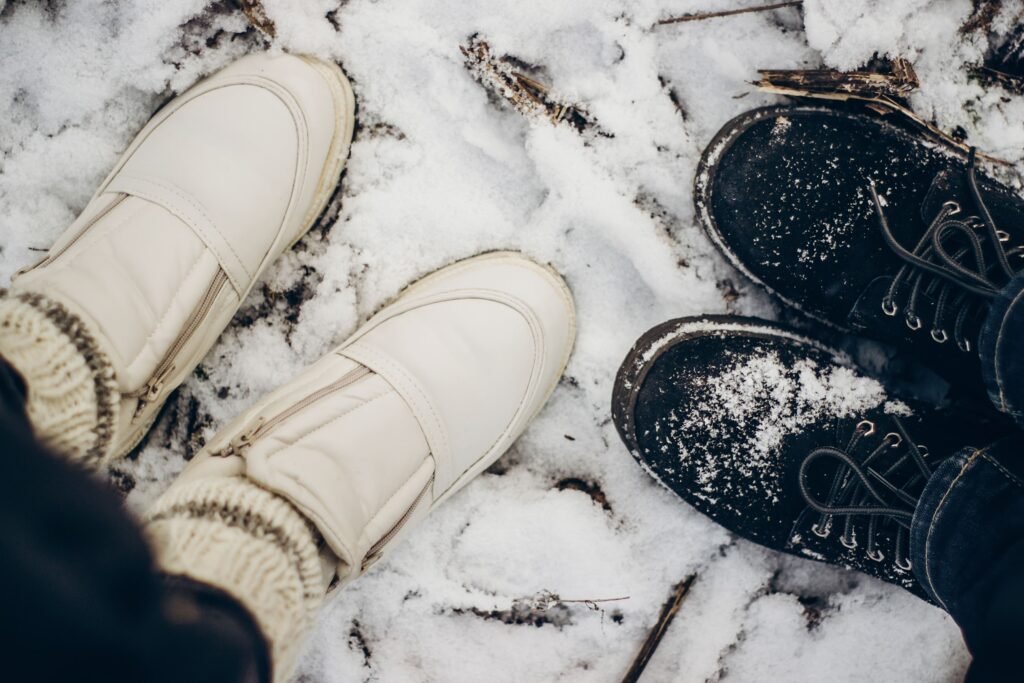
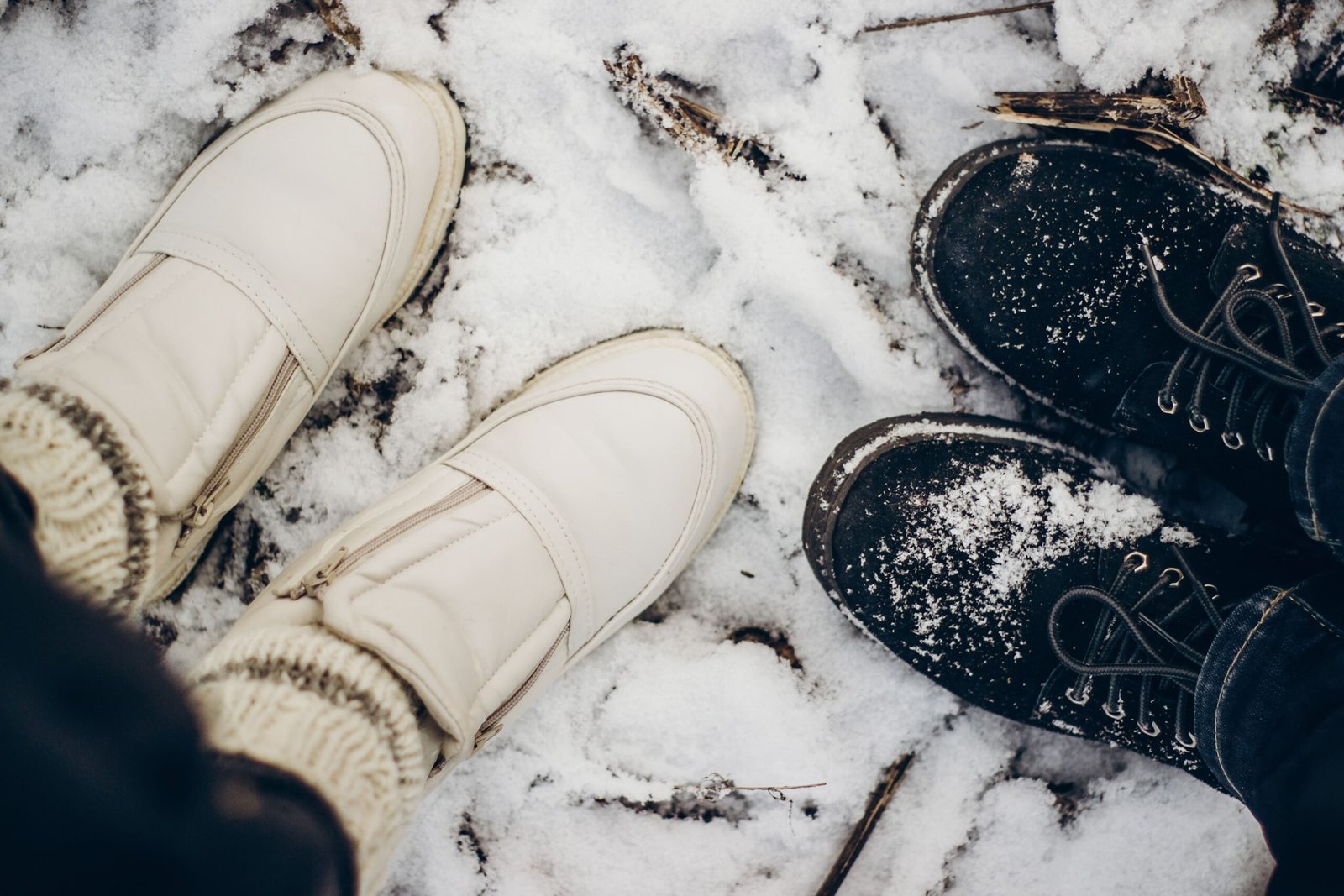
Cold weather is a well-recognised trigger for bunion pain, increasing pressure within the joint and encouraging the use of rigid, closed footwear that leaves little room for a deformed toe joint. The good news is that winter does not make a bunion worse in any permanent sense; the increase in pain is temporary and does not mean the deformity is growing.
For a fuller explanation of what causes a bunion, whether it needs treatment, and when surgery becomes the right option, see Do You Need Bunion Surgery? Causes, Non-Surgical Care & Risks.
Why Cold Weather Affects Bunions
Why does my bunion hurt more in winter?
Cold temperatures increase pressure within the bunion joint, which is one of the two main reasons winter symptoms flare. Where a joint already has early degenerative changes or a degree of arthritis, this pressure change is felt more acutely as general achiness. The second reason is behavioural rather than physiological: people switch to more rigid, closed footwear such as walking boots in colder months, and these shoes struggle to accommodate the width and depth a bunion deformity needs. Together, these two factors explain why many patients notice a clear seasonal pattern to their symptoms.
Does damp weather make bunion pain worse too?
Dampness is separately linked to increased joint pain, particularly where there is already some excess fluid in the joint from a bunion or mild arthritis. This means that cold and damp conditions combined, a common UK winter pairing, can compound the discomfort beyond what cold alone would cause. This is a physiological response to the joint environment, not a sign that the underlying deformity has worsened.
Does cold weather make a bunion bigger or permanently worse?
No. There is no truth to the idea that cold weather causes a bunion to grow or permanently worsen. The pain experienced in colder months is temporary, driven by increased joint pressure and inflammation rather than structural change. Patients who notice winter flare-ups can be reassured that this does not indicate accelerating deformity, though it is still worth having the bunion properly assessed if symptoms are new or increasing.
Winter Consultation Patterns and What They Reveal
Do more people see a bunion specialist in winter than summer?
Patients tend to come forward more for pain-related reasons during the winter months, when joint discomfort increases. Interestingly, the pattern reverses for the visual side of the condition: more people seek help in summer, when open footwear and sandals make the deformed toe visible and patients become self-conscious of how their foot looks, even though it may not be painful at that stage. This split between a “winter pain population” and a “summer appearance population” is a detail Mr Nazir has observed directly in clinic, and it is a useful way to understand why bunion consultations do not simply track one seasonal curve.
Is a bunion that only looks bad in summer but doesn’t hurt in winter still worth treating?
A bunion can be present and visible before it becomes consistently painful, and the absence of pain in one season does not mean the deformity should be ignored. Many patients who are self-conscious in summer rather than in pain in winter still benefit from an assessment, since understanding the stage of the deformity early supports better long-term planning. Mr Nazir recommends seeing a specialist as soon as the deformity is noticed, rather than waiting for pain to confirm the problem.
Footwear and Practical Management
What footwear features make winter bunion pain worse?
A narrow toe box or reduced depth in the toe box will definitely increase pain, since these shapes compress the deformed joint directly. Unsupportive shoes with a very flat arch and a flimsy sole are equally problematic, because they fail to stabilise the midfoot, and that instability itself causes more pain. The combination of a narrow toe box and poor sole support is common in many winter boots, which is part of why boots are so often implicated in seasonal flare-ups.
What footwear features actually help in winter?
Good-fitting footwear is the first and most important recommendation for managing winter bunion pain. This generally means a wider, deeper toe box that accommodates the bunion without pressing on it, paired with a sole and arch that offer genuine midfoot stability rather than a flat, flimsy construction. Bunion pads can also help reduce symptoms by cushioning the joint inside the shoe.
What else helps manage bunion pain during winter, beyond footwear?
Alongside well-fitting footwear and bunion pads, a short course of anti-inflammatory medication can help settle a flare-up. These are the three measures Mr Nazir recommends, in order: good-fitting footwear first, bunion pads second, and anti-inflammatories as a short-term option third. None of these measures address the underlying bony deformity, so they are best thought of as symptom management rather than a long-term solution. Patients often ask if non-surgical bunion treatments like orthotics or toe spacers can provide lasting relief during these months.
How can I tell whether winter pain means I need surgery, or just better shoes?
There is no simple checklist that reliably separates footwear-related discomfort from pain that warrants surgical review; this is a judgement best made by a specialist at consultation. What is clear is that the decision to proceed with surgery is not something Mr Nazir recommends timing around the seasons.
Surgery, Timing and Misconceptions
Does Mr Nazir recommend planning bunion surgery around the seasons?
No. Mr Nazir does not recommend timing bunion surgery around winter or summer. The common assumption that surgery should wait for warmer weather, or be scheduled before a particular season, is not part of his clinical advice.
Should I wait until spring to deal with my bunion, or get assessed now?
There is no time-critical reason to wait for spring. The sooner a bunion is assessed, the sooner a long-term management plan can be put in place. Waiting through a painful winter without a plan simply delays the point at which effective options, surgical or otherwise, can be discussed.
Is it a myth that cold weather causes permanent bunion damage?
Yes, this is a common misconception. Cold weather increases joint pressure and causes temporary pain and inflammation, but it does not cause the bunion to grow or permanently worsen. Patients can use winter discomfort as a signal to seek assessment, not as evidence that irreversible damage is occurring season by season.
Does cold weather still cause pain after Rapid Bunion™ surgery?
Following successful surgery, patients should not experience bunion pain in any weather and should be able to wear shoes comfortably. Rapid Bunion™, Mr Nazir’s trademarked minimally invasive bunion correction protocol, realigns the bone through small incisions, and once healing is complete the joint pressure changes that drive winter pain in an unoperated bunion are no longer a factor. This is a meaningful distinction for patients weighing up whether bunions can heal without surgery or if they should address the underlying deformity directly.
Can bunion pain also feel worse at night during winter?
Bunion pain is often worse in the evening or at night regardless of season, because the joint and surrounding soft tissue have been irritated throughout the day and become more noticeable once movement and distraction stop. Combined with winter’s cold-related pressure increase, this can mean night-time discomfort is particularly pronounced during colder months. Patients experiencing this pattern consistently may find it useful to read further on why bunion pain intensifies at night.
Key Takeaways
Winter bunion pain is driven by increased joint pressure in cold conditions and restrictive footwear, compounded by dampness where arthritic changes are present, but it is temporary and does not signal permanent worsening of the deformity. Good-fitting, wide and supportive footwear, bunion pads and short-term anti-inflammatories are the first-line measures Mr Nazir recommends. Surgery timing need not be built around the seasons, and earlier assessment supports better long-term planning regardless of time of year. Patients concerned about recurring winter flare-ups, or considering whether Rapid Bunion™ could remove the problem altogether, can book a consultation with Mr Nazir to discuss their options.