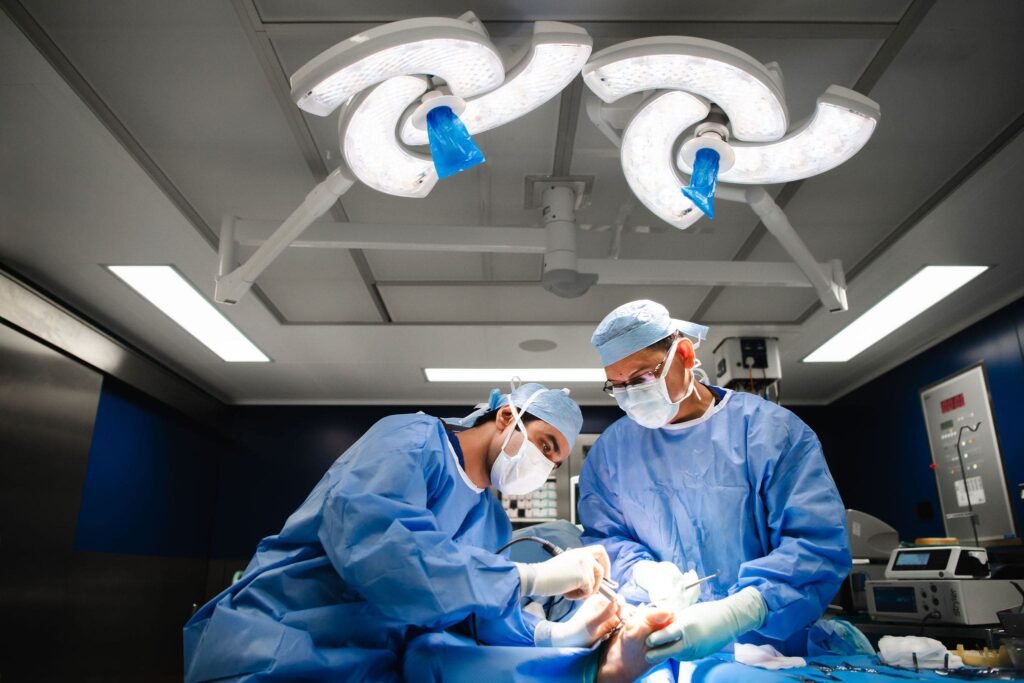
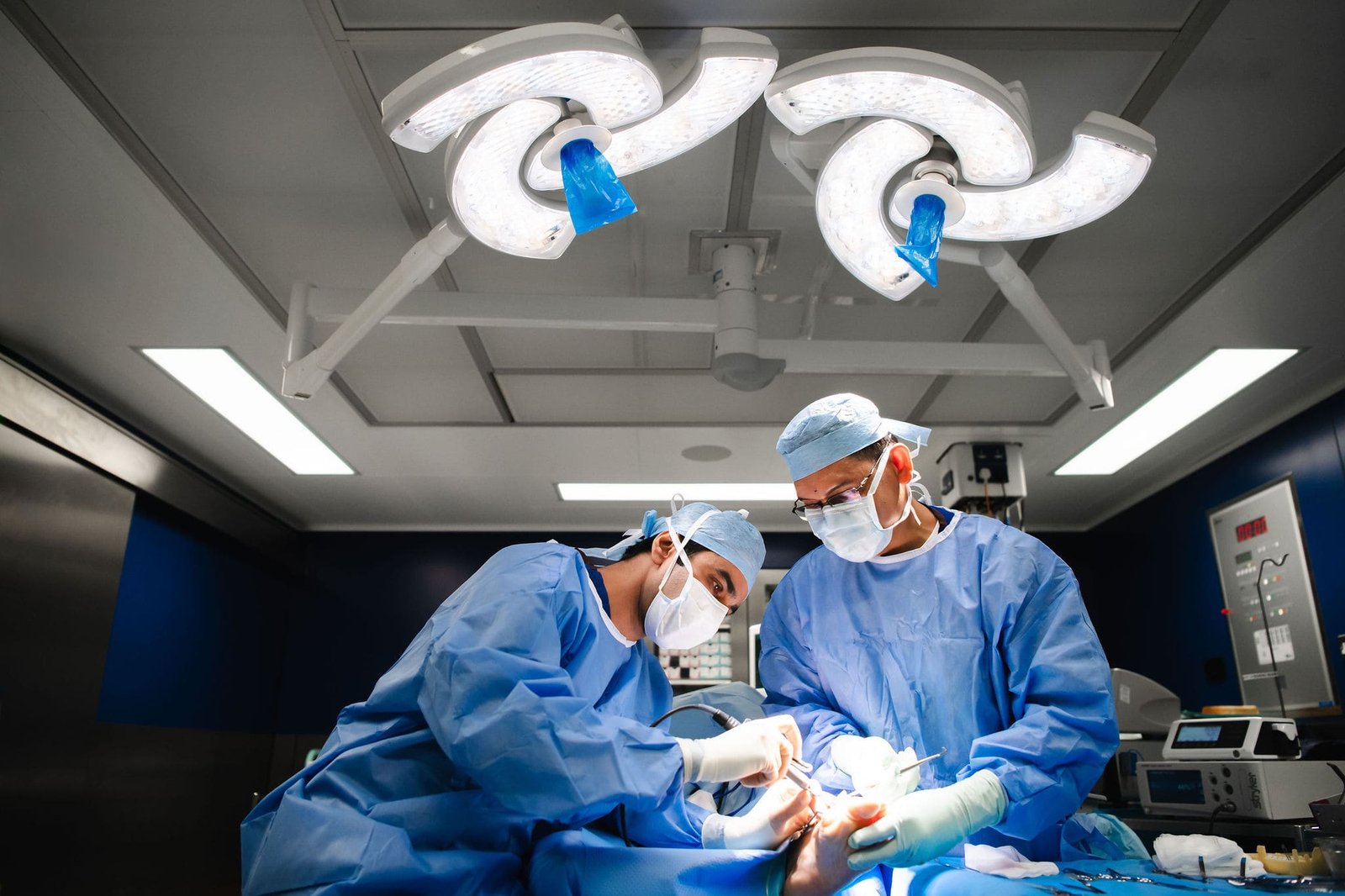
Keyhole bunion surgery with Rapid Bunion™, Mr Nazir’s trademarked minimally invasive bunion correction protocol, typically takes between 30 and 40 minutes to perform, depending on the severity of the deformity. The time spent in theatre is only one part of the picture, however. Bone healing after the procedure takes six to eight weeks regardless of technique, and patients want to understand both the surgical time and the fuller recovery arc before deciding on surgery.
For a full breakdown of how keyhole surgery compares with Scarf/Akin, Lapidus and other techniques, see Bunion Surgery Techniques Explained: Keyhole, Scarf/Akin, Lapidus & More.
The Procedure Itself
How long does keyhole bunion surgery take on the operating table?
The operation itself typically takes between 30 and 40 minutes, varying with the severity of the bunion and the complexity of the correction required. Mr Nazir has noted that the most technically demanding part of the procedure is not the cutting and resetting of the bone, but the accurate placement of the small screws and wires that hold the correction in place, since this step determines stability, healing and the quality of the final correction.
Does surgery take longer if both feet are treated at once?
Both feet can be operated on in the same session, and minimally invasive technique allows this with improved outcomes and lower risk compared with older approaches. Whether both feet are treated together depends on the patient’s needs, their general fitness, and how much support they have at home during recovery, since bilateral surgery means significantly reduced mobility for the first few weeks. Patients fit enough to mobilise unaided and without a significant infection risk are reasonable candidates for having both feet done at once.
Is keyhole surgery quicker than traditional open bunion surgery?
The operating time itself is not the main point of difference between keyhole and open bunion surgery; both involve an osteotomy, a procedure that cuts and resets the bone, but keyhole surgery does this through small portals or incisions rather than a larger open incision. The real difference shows up afterwards: minimally invasive surgery is associated with less post-operative trauma and easier rehabilitation, while outcomes are comparable to open surgery.
Healing and Recovery Timeline
How long until the bone is fully healed?
Bone healing typically takes six to eight weeks after bunion surgery, and this timeframe is broadly similar whether a patient has keyhole or open surgery. What differs between the two approaches is the speed of early recovery and how quickly a patient can return to normal activity during that healing window, not the underlying biological healing time.
How soon can a patient walk after surgery?
With keyhole bunion surgery, patients can mobilise straight away using a post-operative sandal, walking for around 10 minutes every hour, either flat-footed or with crutches if needed. This is a meaningful distinction from open surgery, where patients typically need to rest far more in the first two weeks because of a higher risk of wound problems or infection. Mr Nazir recommends thinking about recovery in two-week blocks, which gives patients a clear structure for what to expect and how to progress safely.
When can swelling be expected to settle completely?
Swelling can take three to four months to settle fully, even though initial recovery for bone healing is six to eight weeks. This is a normal part of the healing process and does not mean the correction has failed; swelling resolves gradually as soft tissue heals around the repositioned bone.
When can a patient get back into a normal shoe and return to work?
For a single foot operated on, patients are typically very limited to five to 10 minutes of walking per hour for the first five to seven days, after which they can return to outdoor activity and commuting while wearing a protective boot. Getting comfortable enough to wear a trainer and return to work generally takes a few weeks longer than this initial period.
Bilateral Surgery and Scheduling
Does having both feet done at the same time extend recovery?
Yes. If both feet are operated on at the same time, patients should expect around two weeks of complete rest at home, and it may be three to four weeks before they are comfortable getting into a trainer and mobilising or commuting to work. Patients who find it difficult to stay indoors for an extended period may prefer to split the recovery, having one foot operated on while remaining mobile, then treating the second foot later.
Is one foot usually more sore than the other after bilateral surgery?
Patients having both feet operated on may notice that one foot feels more sore than the other during healing, because surgeons generally favour one foot slightly over the other during the early mobilisation period to protect the recovery process. This is a normal and expected part of bilateral recovery rather than a sign of a problem with either foot.
What should be considered before choosing bilateral surgery?
The decision depends on medical history, overall health status, and how well a patient can mobilise unaided. Patients who are fit and healthy, with no significant concern about infection risk from other conditions or wound healing, are reasonable candidates for having both feet treated in one session. Patients who need to return to work within five to seven days are generally better suited to having one foot treated at a time.
Common Misconceptions
Is there a best time of year to schedule bunion surgery?
There is no single correct season for bunion surgery; the right timing depends on individual circumstances rather than the calendar. Some patients prefer summer months when their workplace is quieter, while others prefer winter, when they are already inclined to stay indoors during poor weather and can use that time for recovery. The more important timing factor is being in optimal health and fitness beforehand, and scheduling around a period when time off work or reduced activity is genuinely manageable.
Does a short operating time mean the surgery is less thorough?
A 30 to 40 minute operating time reflects surgical efficiency built on experience with the technique, not a reduction in the thoroughness of the correction. The most demanding part of the procedure, accurate screw and wire placement, takes exactly as much care in a short procedure as it would in a longer one, since this step is what determines effective stability, healing and full correction.
Will the foot function normally again after surgery?
The goal of bunion surgery is to return the foot to improved function and structural stability, correcting the malalignment between the big toe and the metatarsal bone that caused the deformity. Bunion corrector devices may ease symptoms in very limited cases, but they do not stop the underlying deformity progressing, which is why surgical correction addresses the bone position directly.
Next Step
Patients considering keyhole bunion surgery should weigh operating time alongside the fuller recovery picture, since the few minutes in theatre matter far less than the weeks of healing and mobilisation that follow. Booking a consultation with Mr Nazir allows a personalised assessment of deformity severity, suitability for bilateral surgery, and a realistic recovery timeline based on individual circumstances.