Rapid Bunion™, Mr Kaser Nazir’s trademarked minimally invasive bunion correction protocol, differs from traditional open bunion surgery in incision size, anaesthetic requirements, and how quickly a patient can bear weight and return to normal activity. This article answers the most common patient questions comparing the two approaches, drawing directly on Mr Nazir’s own operative experience.
For a full comparison of every technique Mr Nazir offers, including keyhole, Scarf/Akin and Lapidus, see Bunion Surgery Techniques Explained: Keyhole, Scarf/Akin, Lapidus & More.
The Core Difference
What is the basic technical difference between Rapid Bunion™ and open bunion surgery?
Rapid Bunion™ is a minimally invasive keyhole technique in which small incisions, essentially stab incisions, are used to enter and correct the bunion deformity, a method also known as a percutaneous technique. Traditional open surgery instead requires a full incision, with direct dissection of the joint, dissection around the bone, and a degree of soft tissue stripping. Both approaches aim to realign the deformed bone, but they reach it through very different routes. The distinction in access method is what drives most of the differences in recovery, pain and scarring described below.
How many incisions does each technique use, and how big are they?
Rapid Bunion™ uses 3 to 4 small incisions, each measuring between 3 and 4 millimetres, placed at strategic points to carry out the correction. Open bunion surgery techniques use a single incision measuring anywhere from 6 to 10 centimetres, depending on the specific procedure performed. This size difference is one of the clearest, most quotable distinctions between the two approaches, and it is a major driver of the differences in soft-tissue trauma and scarring. The keyhole incisions preserve surrounding tissue and keep resulting scars almost invisible.
Is there a common misconception about how minimally invasive this surgery really is?
A common misconception is that “minimally invasive” bunion surgery is a marketing term rather than a genuine technical distinction. In Mr Nazir’s own comparison, the difference is concrete and measurable: 3 to 4 incisions of 3 to 4mm each with Rapid Bunion™, against a single 6 to 10cm incision with open surgery. This is not a difference of degree but of surgical method: percutaneous access versus full joint dissection. Patients researching options should look for this kind of specific, comparable detail rather than relying on general claims of “minimal invasiveness.”
Pain, Anaesthesia and Early Mobility
Which technique causes more pain in the first week after surgery?
Open bunion surgery is associated with considerably more pain in the first seven days after the operation compared with keyhole surgery. Patients undergoing open surgery also require more anti-inflammatory medication during this period, reflecting greater swelling from the wider surgical dissection. With Rapid Bunion™, swelling is reduced overall, which corresponds with a lower requirement for anti-inflammatories in the first week. This difference in early pain and swelling is one of the most immediate benefits patients notice after keyhole correction.
What type of anaesthetic is used for each procedure?
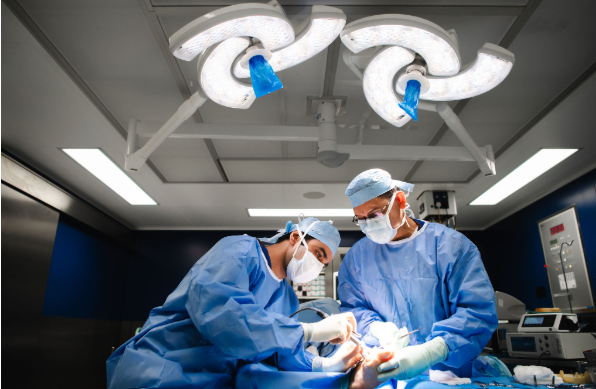
Rapid Bunion™ can typically be performed under light sedation combined with local anaesthetic. Open bunion surgery, in most cases, requires deeper anaesthesia. This is a direct consequence of the more extensive tissue dissection involved in the open technique, which demands a greater level of anaesthetic control. Patients considering their options should discuss anaesthetic requirements directly with their surgical team, since suitability depends on individual medical history.
Can patients walk immediately after Rapid Bunion™ surgery?
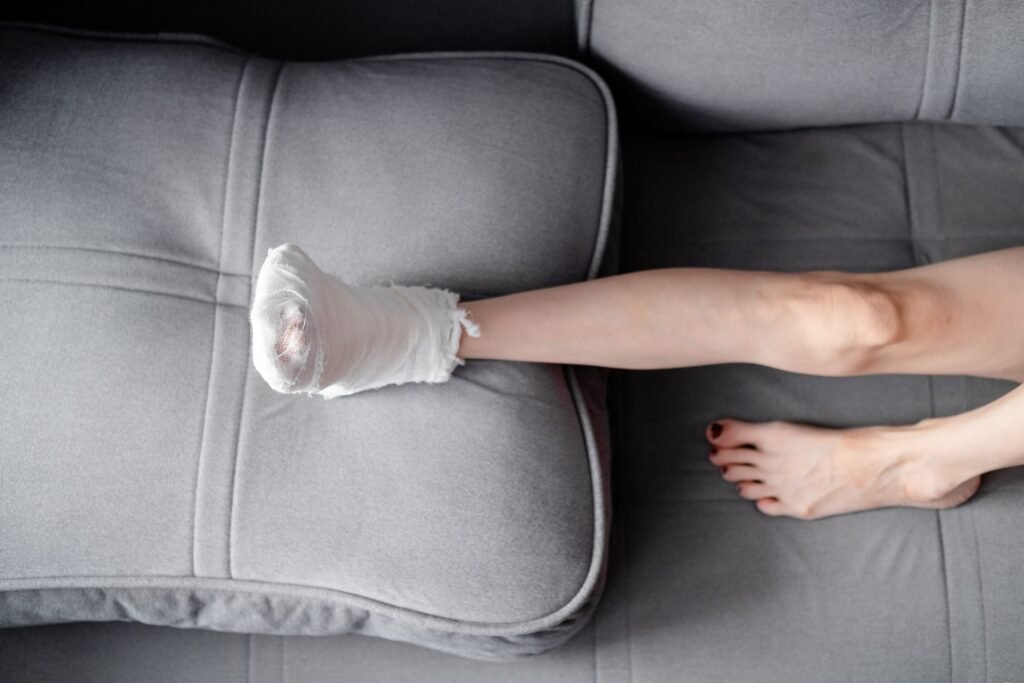
Patients undergoing Rapid Bunion™ can mobilise for around 10 minutes per hour from day one, bearing full weight in a post-operative sandal, although only for those short intervals during the first week. By contrast, patients undergoing open surgery are generally restricted to mobilising for only a couple of minutes at a time and are mostly kept non-weight bearing. This distinction, walking in short, controlled bursts from day one versus extended non-weight-bearing restriction, is one of the clearest practical differences between the two recovery pathways. It should be read as a typical pattern rather than a guarantee, since individual recovery varies according to the specific correction performed and the patient’s healing response.
Scarring and Long-Term Results
Does Rapid Bunion™ leave less scarring than open surgery?
Because Rapid Bunion™ uses puncture-sized incisions of only a few millimetres, the resulting scars are typically almost invisible. Open surgery, using a single incision of 6 to 10 centimetres, leaves a substantially longer and more visible scar by comparison. Reduced scarring follows directly from reduced soft-tissue disruption during the procedure. Patients who prioritise cosmetic outcome alongside functional correction often weigh this difference heavily when choosing between techniques.
Does the smaller incision size affect how well the bunion is corrected?
The Rapid Bunion™ protocol is designed to achieve both faster recovery and lasting correction through refined surgical engineering, rather than trading correction quality for a smaller incision. The technique preserves surrounding tissue while still allowing the surgeon to realign the deformed bone through the small incision points. Mr Nazir has developed Rapid Bunion™ specifically to address the limitations of traditional methods, which often leave patients with long scars and restricted mobility for weeks. Patients with more complex deformities should discuss with Mr Nazir directly whether their specific case is suited to the keyhole approach.
Practical Decision-Making
How common are bunions, and does that affect which technique is appropriate?
Bunions are one of the most common foot deformities, affecting around one in four people under 65 and one in three people over 65. This prevalence means most patients have genuine choice between surgical approaches rather than facing a single default option. The right technique depends on the severity and structure of the individual deformity, which is assessed during consultation. Patients are encouraged to seek a personalised assessment rather than assume either approach is automatically preferable.
Is Rapid Bunion™ just a surgical technique, or does it involve more than the operation itself?
Rapid Bunion™ is described by Mr Nazir as a complete treatment pathway rather than simply an operation. Unlike many minimally invasive bunion procedures that focus solely on surgical technique, Rapid Bunion™ integrates additional elements of care around the surgery itself. This distinguishes it from a purely technical description of “keyhole surgery” and reflects a broader approach to patient management from consultation through recovery. Patients should ask what is included in their specific care pathway when comparing providers, since not all minimally invasive protocols offer the same structured support.
What should a patient do next if they are deciding between Rapid Bunion™ and open surgery?
The most useful next step is a direct consultation with Mr Nazir, where the deformity can be assessed individually and the suitability of Rapid Bunion™ discussed against the alternative of open surgery. Because incision size, anaesthetic type, early mobility and scarring all differ meaningfully between the two techniques, a personalised recommendation is more reliable than a general comparison.
Where can patients learn more about the Rapid Bunion™ protocol in detail?
Further detail on the technique, its development and what to expect after surgery is available on the Rapid Bunion™ signature technique page, which sets out the full treatment pathway alongside recovery expectations. Patients are also encouraged to review NHS guidance on bunion surgery for general background on the condition and its non-surgical management options before considering a surgical consultation.
Mr Nazir sees patients considering either technique at his Harley Street practice. Book a consultation to discuss which approach is right for your case.