
Sleeping comfortably after bunion surgery is largely about managing swelling and keeping pressure off the healing foot, particularly in the first weeks of recovery. Elevating the foot, protecting the toe from accidental knocks, and choosing a stable sleeping position all help reduce throbbing and support healing overnight. The questions below cover the practical detail patients ask most often about positioning, pain and disturbed sleep in the weeks after Rapid Bunion™, Mr Nazir’s trademarked minimally invasive bunion correction protocol.
For the full week-by-week picture of what recovery involves, see Bunion Surgery Recovery: Timeline, Pain & Return to Activity.
Positioning and Comfort
What is the best sleeping position after bunion surgery?
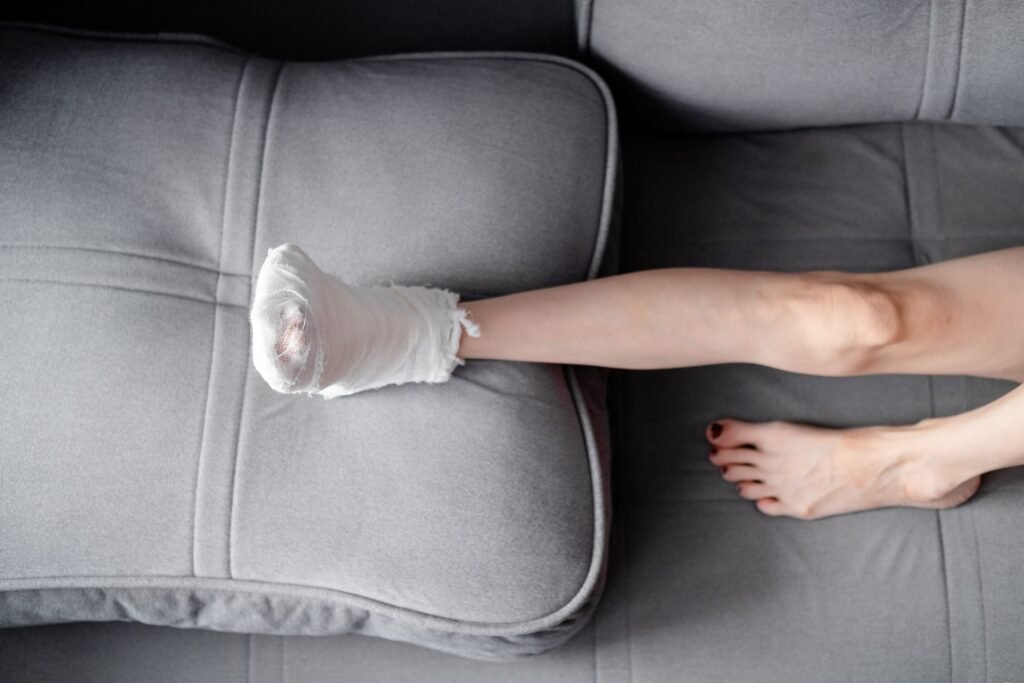
Keeping the operated foot elevated above the level of the heart is one of the most effective ways to reduce swelling and discomfort overnight. This usually means lying on your back with the foot raised on pillows, or resting it on a supportive cushion if you prefer sleeping on your side. Avoiding pressure directly on the toe joint matters more than any single “correct” position, so patients should find whatever arrangement keeps the foot elevated and undisturbed through the night.
Should I elevate my foot in bed, and for how long?
Elevation is recommended in the early recovery period specifically to manage swelling. Supportive pillows placed under the foot, combined with ice packs where advised, help control the swelling that tends to build after a day of activity or standing. Mr Nazir’s team advises maintaining this routine consistently in the first weeks rather than only when discomfort is noticeable, since swelling that is allowed to accumulate overnight can make the following day more uncomfortable.
Will my foot throb more at night after surgery?
Some throbbing when the foot is lowered from an elevated position is a recognised part of early recovery. This is generally mild to moderate and tends to increase if the foot has been kept in a lowered position or the patient has been standing for extended periods during the day. Returning the foot to an elevated position typically settles this throbbing.
Can I sleep on my side after bunion surgery?
Side sleeping is possible for most patients as long as the operated foot is protected from pressure and knocks, and ideally still supported in a raised position with pillows. The priority is protecting the toe joint from direct contact with the mattress, bedding, or the other foot, since accidental pressure on the surgical site is more likely during sleep than at any other time of day.
Understanding Why Pain Feels Worse at Night
Why does bunion pain feel worse at night, even before surgery?
Bunion pain often intensifies in the evening because the joint and surrounding soft tissues have been irritated throughout the day, and once movement and distraction reduce, that aching becomes more noticeable. This same principle explains why post-surgical discomfort can also feel more prominent at night: the nervous system is simply less occupied by other sensory input, so pain signals are easier to notice.
Does resting the foot in the evening actually help?
Yes. If pain is consistently worse after a day of activity, resting the foot in the evening and elevating it before bed can help symptoms settle before sleep. Avoiding additional pressure on the bunion area in the hours leading up to bedtime reduces the likelihood of pain spiking once you lie down.
Is it normal for swelling to increase if I’ve been on my feet during the day?
Yes. Increased swelling after standing for long periods is a recognised pattern during recovery from minimally invasive bunion surgery. This is one of the reasons elevation and rest become more important in the evening rather than less — swelling that has built up during the day needs time and positioning to reduce before sleep.
Managing Pain and Common Misconceptions
Is bunion surgery recovery extremely painful, making sleep impossible?
This is a common misconception. Many patients are pleasantly surprised by how manageable pain is after minimally invasive surgery, because there is less disruption to the surrounding soft tissues compared with more invasive approaches. Reported discomfort is typically mild to moderate, with some throbbing on lowering the foot, rather than the severe, sleep-preventing pain patients often expect.
What else can I do at night to support recovery beyond positioning?
Alongside elevation, supportive measures such as ice packs help manage swelling that can otherwise disturb sleep. General recovery habits also matter: avoiding smoking and alcohol, since both can slow healing, and maintaining a diet rich in vitamins and protein to support tissue repair, all contribute to a more comfortable night’s rest over the course of recovery.
How does keeping follow-up appointments relate to sleep comfort?
Keeping scheduled follow-up appointments allows swelling and healing progress to be properly monitored. If pain or swelling is not settling as expected and continues to disrupt sleep beyond the typical early recovery window, this is something to raise at a follow-up rather than manage alone, since it may indicate the healing process needs closer review.
Does the type of shoe I wear during the day still matter while I’m recovering?
Before surgery, tight, narrow, stiff or high-heeled shoes are known to place pressure on the bunion that leads to inflammation and pain becoming more noticeable at night. During recovery, footwear choices should continue to prioritise a wider toe box, softer materials and reduced pressure on the healing joint, consistent with the general advice to avoid narrow or stiff shoes wherever possible. Comfortable, protective footwear during the day supports a calmer, less inflamed foot by the time you go to bed.
When should disturbed sleep or ongoing pain prompt a conversation with a specialist?
Persistent pain that regularly affects sleep, alongside swelling, redness or throbbing around the joint, is a sign that things should be properly assessed rather than managed with home measures alone. This applies both before surgery, when unexplained nighttime pain suggests the bunion needs specialist review, and during recovery, if discomfort is not following the expected pattern of gradual improvement. Patients experiencing this level of concern should book a consultation to have their symptoms reviewed directly.
Key Takeaways
Comfortable sleep after bunion surgery depends on consistent elevation, protecting the toe joint from pressure, and using ice and support as advised to manage swelling. Mild to moderate throbbing when the foot is lowered is a normal part of recovery with minimally invasive techniques, not a sign that something has gone wrong. Patients whose pain or disturbed sleep does not follow this expected pattern, or who are unsure whether their symptoms are typical, should discuss this directly with Mr Nazir’s clinical team at their next follow-up appointment.
To discuss your own recovery expectations before surgery, book a consultation with Mr Nazir.