Bunion exercises can help manage symptoms such as stiffness and mild discomfort, and may slow how quickly a flexible bunion progresses, but they cannot correct a structural bunion deformity once it has developed. This page sets out which exercises have a genuine evidence base, which popular tools (like splints and toe spacers) carry real risk, and when it is time to consider surgical correction.
For a fuller look at when non-surgical care stops being enough and what the alternatives involve, see Do You Need Bunion Surgery? Causes, Non-Surgical Care & Risks.
Understanding What Exercises Can and Cannot Do
Can exercises get rid of a bunion completely?
No. Exercises can help with symptoms, comfort and foot function, but they do not usually correct the structural bunion deformity once it has developed. Bunions are often genetic, and while conservative measures can slow the progression of the deformity, they cannot necessarily prevent it from progressing or occurring in the first place. This is an important distinction for patients to understand before investing time in an exercise routine expecting it to reverse the bony change already present. Surgery remains the only way to fully correct a bunion deformity in severe cases and over the long term.
Why do people believe exercises can fix a bunion (the common misconception)?
The misconception comes from confusing symptom relief with structural correction. Many patients notice that stretches and toe exercises genuinely ease stiffness, discomfort and improve how the foot functions day to day, which can feel like progress. What they are actually doing is managing the symptoms of the deformity, not reversing the underlying bone position. Whether conservative treatment works at all depends heavily on the underlying cause of the bunion, which is why results vary so much between patients.
Exercises With a Genuine Evidence Base
Which specific exercises are recommended?
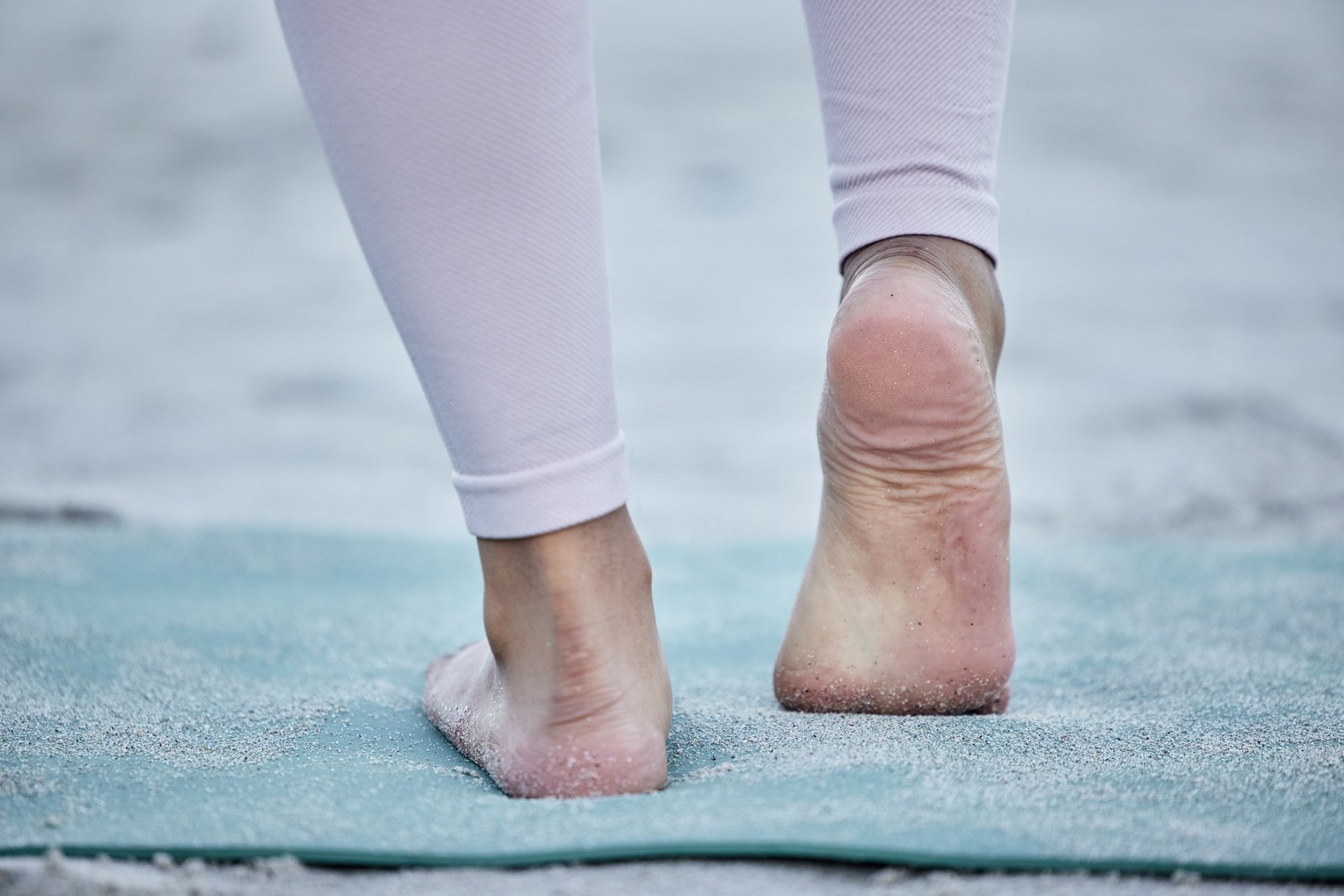
A small set of simple foot exercises can be done daily alongside normal activity or training. These include: picking up marbles from the floor with the toes and placing them in a bowl, 15 to 20 marbles a day; bending the toe into correct alignment and holding for ten seconds, repeated 3 to 5 times; flexing the toes against the ground and holding for around ten seconds, repeated 3 to 4 times; and pointing the toes straight ahead for five seconds before curling them for a further five seconds, repeated around ten times. These exercises are typically recommended in parallel with other conservative measures rather than as a stand-alone treatment.
How often should these exercises be done for the best chance of benefit?
The exercises above are designed to be done daily, worked into an existing routine such as marathon training, rather than as an occasional habit. Consistency matters more than intensity: repeating each exercise in short daily sets is the pattern described in the source guidance, rather than long, infrequent sessions.
Do exercises work better when combined with anything else?
Yes. Foot exercises are often used alongside a podiatrist’s assessment of how the foot moves, known as gait analysis, which can identify inefficiencies in walking or running pattern. Based on this analysis, a podiatrist may prescribe bespoke orthotics, custom shoe inserts suited to the individual foot type, which work alongside exercises rather than replacing them.
Tools and Devices to Approach With Caution
Do bunion splints actually work?
For most patients, no, and they can occasionally make things worse. Mr Nazir has noted that in most patients, splints work by trying to stretch out the lateral joint capsule and ligament on the outer side of the big toe joint. In more rigid and significant deformities, this stretching action can cause more pain and may actually cause ligamentous injury, worsening pain around the joint itself. Patients considering a splint should understand that the deformity’s rigidity, not just its size, determines whether a splint is likely to help or harm.
Are there cases where a splint is actually worth trying?
Splints have shown more success specifically in very early, flexible bunion deformities, or in children, particularly when combined with intrinsic foot exercises and used without shoes. This is generally more relevant to early-stage, still-flexible deformities rather than established bunions in adults. Once a bunion becomes more rigid or structural, splints are unlikely to correct the deformity and may irritate the joint further. Patients unsure whether their bunion is still flexible should have this assessed clinically rather than guessing based on symptoms alone.
Do bunion pads help, and are there downsides?
Bunion pads can reduce pressure and discomfort, but they do not work for everyone. In some shoes, adding a pad reduces the available space inside the shoe, which may actually increase pressure on the joint. Pads tend to be most useful when worn with footwear that already has enough room to accommodate them. Anyone finding that a pad increases rather than relieves discomfort should reconsider the fit of the shoe before assuming the pad itself is at fault.
Managing Symptoms Day to Day
What else helps besides exercises?
Simple rest and elevation can meaningfully ease symptoms. If bunion pain is worse after activity, resting the foot in the evening may help symptoms settle, and elevating the foot while avoiding additional pressure around the bunion can reduce discomfort before bed. This is a low-risk, practical addition to any exercise routine, particularly for patients whose pain is activity-related rather than constant.
Can exercises help if bunion pain is worse at night?
Nocturnal bunion pain has its own distinct pattern and causes, and general daytime exercises are not a targeted treatment for it. Patients experiencing bunion pain specifically at night should have this discussed directly with a specialist, since the mechanism differs from activity-related daytime discomfort.
Exercises, Training, and Timing Surgery Around Fitness Goals
Can bunion exercises help someone keep training or running?
Conservative measures, including the exercises above, can be useful in reducing bunion symptoms in mild and moderate cases and may allow continued training in the short term. However, for severe cases, and in the long term, surgery is the only way to fully correct the deformity. For patients training towards an event such as a marathon, surgery is a long-term resolution that can be planned at an opportune time to increase the likelihood of returning to peak fitness before race day.
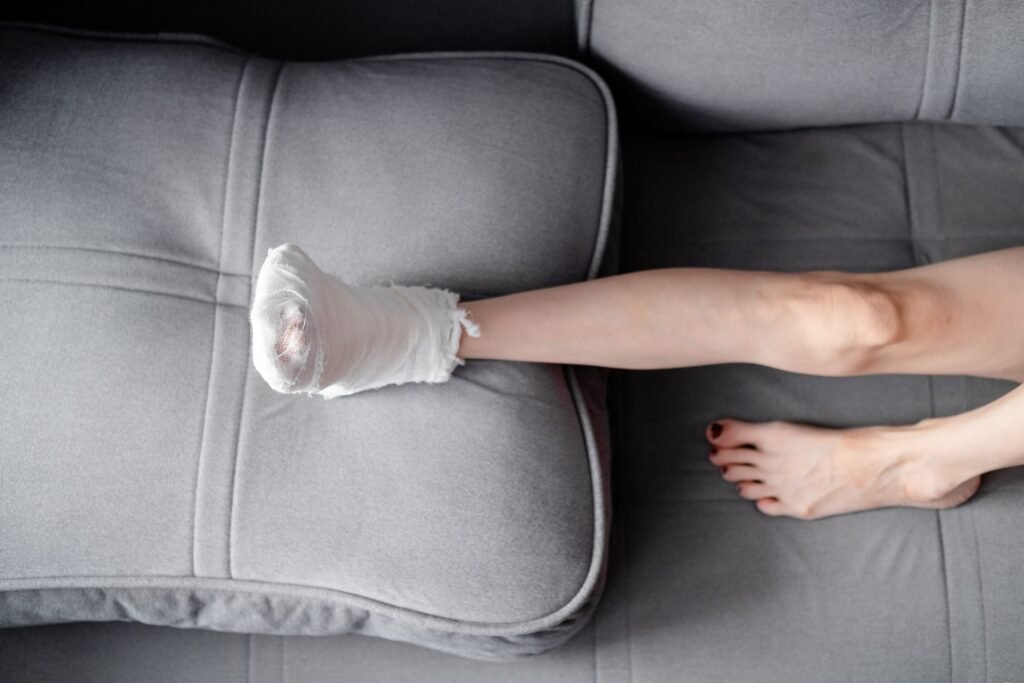
How long does recovery take if surgery becomes necessary?
Postoperative healing normally takes place over a 6 to 8 week period. A surgeon would discuss this in detail before scheduling surgery, including any impact on training or specific activities the patient wants to return to. This planning conversation is particularly relevant for patients balancing symptom management now against a fitness goal later in the year.
When to Move From Exercises to a Surgical Opinion
How do I know if my bunion has moved past the stage where exercises will help?
If a bunion is no longer flexible, meaning the big toe can no longer be gently guided back towards a straighter position by hand, splints and many conservative measures become far less effective and may cause additional joint irritation. Persistent pain despite consistent exercises, rest and appropriate footwear is a signal that the structural deformity has progressed beyond what conservative care can manage. At this stage, the deformity itself, not just the symptoms, needs addressing directly.
What is the next step if conservative measures are not enough?
The appropriate next step is a clinical assessment to determine whether the deformity is still flexible or has become rigid, and whether surgical correction is warranted. Patients considering their options can book a consultation with Mr Nazir to discuss whether Rapid Bunion™, his trademarked minimally invasive bunion correction protocol, is appropriate, given its focus on minimally invasive bunion correction and a defined recovery pathway.
Book a consultation with Mr Nazir to find out if Rapid Bunion™ is right for you.