Bunions cannot heal or reverse without surgery. Non-surgical measures can slow symptom progression and improve comfort, but they do not correct the underlying bone misalignment. Patients weighing their options can read a full breakdown of the causes, non-surgical care options and risks of leaving a bunion untreated in Do You Need Bunion Surgery? Causes, Non-Surgical Care & Risks.
Understanding Whether Bunions Can Heal Naturally
Can a bunion heal or go away on its own without surgery?
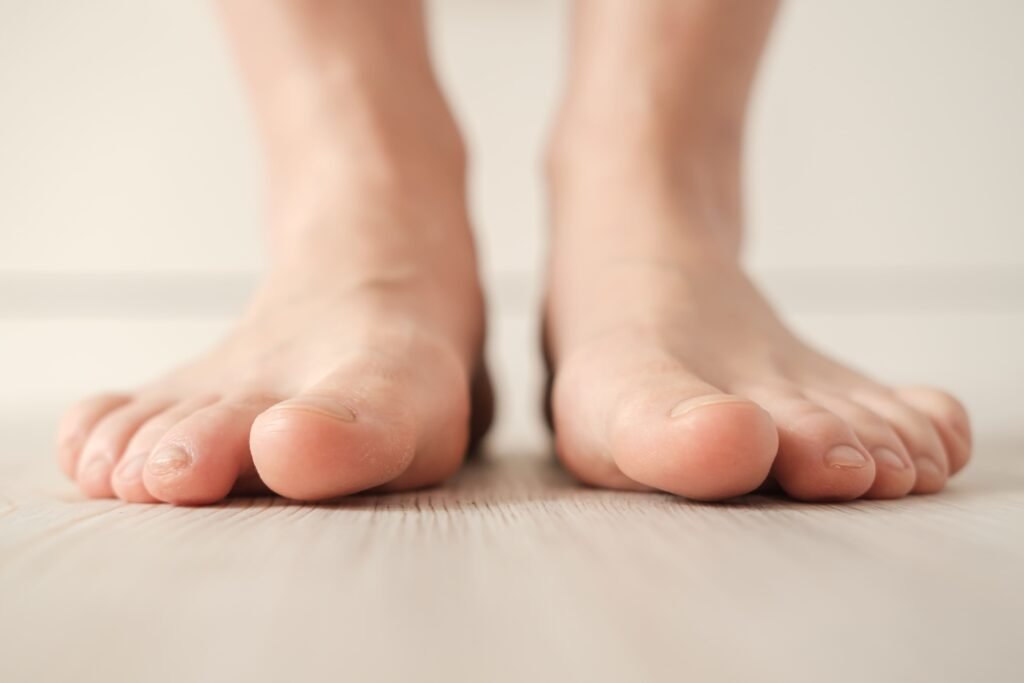
No. Bunions do not heal without surgery. Mr Nazir is direct about this: “Surgery is the only way, the well-established way of fixing bunions.” Bunions are a progressive structural deformity, and while conservative measures can slow the rate of progression, they cannot correct the bone misalignment once it has developed. Patients often ask whether their bunion will simply stay the same if left untreated; the honest answer, according to Mr Nazir, is that bunions slowly worsen over time even though the pace of that progression varies from person to person.
What is the biggest misconception people have about non-surgical bunion treatments?
The most common misconception is that insoles, splints or bunion pads can shrink or reverse a bunion. They cannot. Non-surgical treatments may help with symptoms, comfort and foot function, but they do not usually correct the structural bunion deformity once it has developed. It is not possible to shrink a bunion naturally; the deformity can only be accommodated with appropriate footwear and cushioning, not corrected.
Why can’t wider shoes, orthotics or splints correct the bone deformity?
These measures manage symptoms rather than treat the cause. A bunion is a structural shift in the position of the bones around the big toe joint, and no external device can realign bone. Orthotics or insoles may improve foot support and reduce pressure through the big toe joint, but they will not remove the bunion itself. Splints may offer some benefit in the very early stages, but Mr Nazir notes they are very unlikely to produce meaningful, lasting correction.
When Non-Surgical Treatment Is Worth Trying
At what stage of a bunion do non-surgical treatments actually help?
Non-surgical treatments are most useful when the deformity is mild, flexible or causing only intermittent symptoms. At this stage, they can reduce pain, improve comfort in shoes, support the arch, improve foot stability and reduce pressure around the big toe joint. In moderate to severe bunions, or where the deformity is more structural, conservative treatments are less likely to provide long-term relief. This makes early assessment valuable: knowing which category a bunion falls into helps a patient set realistic expectations before investing time in conservative measures.
What specific non-surgical treatments does Mr Nazir recommend, and in what order?
Mr Nazir recommends starting with footwear adaptations: a supportive shoe that is soft on top, has a rigid sole and good arch support. From there, he suggests an orthotic, either custom-made or an off-the-shelf insole, to help support the first metatarsal (the long bone behind the big toe). Bunion sleeves are sometimes used but tend to reduce the available volume inside a shoe, which limits how well they work in practice. Splints may help in the very early stages of deformity but are unlikely to provide durable benefit beyond that point.
Do bunion pads help, and are there any downsides?
Bunion pads can reduce rubbing between the bunion and the shoe, which some patients find helpful for day-to-day comfort. They do not work for everyone, and in some footwear a pad can actually reduce the internal space of the shoe, increasing pressure rather than relieving it. They tend to be most useful when paired with shoes that already have enough room to accommodate the added bulk. Patients considering pads should try them with the specific shoes they wear most often before relying on them long-term.
Can insoles or orthotics stop a bunion from getting worse?
Insoles and supportive footwear can help stop a bunion from getting worse quickly, though the deformity will still tend to develop gradually over a few years. Splints do not appear to offer the same benefit, whereas comfortable, well-fitted shoes consistently help. This is a case where conservative care buys time and comfort rather than delivering a cure. Mr Nazir considers this distinction important for patients to understand before deciding on a treatment path.
Deciding Whether Surgery Is the Right Next Step
How do I know if my bunion needs surgery, or if I can keep managing it conservatively?
There is no single rule that applies to every patient. The decision depends on the level of symptoms, the impact on daily activities and quality of life, and any other health conditions that might affect suitability for surgery. Early-stage bunions that are not yet painful or affecting daily life are typically managed non-surgically first, with treatment focused on symptom relief and slowing progression. Surgery becomes the recommended route once the deformity is more structural, or when symptoms are severe enough to affect quality of life.
If conservative treatment only slows progression, does that mean surgery becomes inevitable?
For many patients, yes, eventually. Because bunions are progressive, conservative treatment is best understood as delaying rather than avoiding the need for surgery in patients with a structural deformity. Surgery remains the only established method for fully correcting the deformity and realigning the toe. Patients who reach this point are often relieved to learn that modern keyhole techniques, such as Rapid Bunion™, Mr Nazir’s trademarked minimally invasive bunion correction protocol, correct the bone alignment through small incisions rather than the larger open incisions used in traditional bunion surgery.
Is it ever too early to see a specialist about a bunion, even if I’m not in much pain yet?
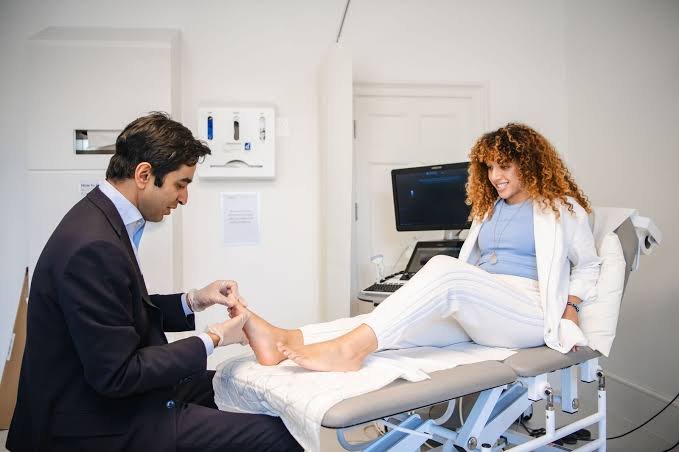
No. An early consultation helps establish whether a bunion is still flexible and mild, or already more structural, which shapes the right treatment plan from the outset. Mr Nazir’s assessments consider the specific presentation of the bunion alongside the patient’s daily activities and general health, since these factors determine whether conservative care or surgical correction is the more appropriate next step. Patients uncertain about their options are encouraged to book a consultation with Mr Nazir to discuss whether non-surgical management or Rapid Bunion™ is the right fit at this stage.
What is the realistic goal of non-surgical treatment if it can’t cure the bunion?
The realistic goal is comfort and symptom control, not correction. Non-surgical treatments can reduce pain, improve how a foot functions day to day, and slow the rate at which the deformity progresses, but they leave the underlying bone position unchanged. Patients should treat conservative measures as a way to manage a bunion while deciding on timing for surgery, rather than as an alternative outcome to surgery itself.
Key Takeaways
Bunions are a progressive structural deformity that will not heal or reverse without surgery. Footwear changes, orthotics, toe spacers and bunion pads can ease symptoms and slow progression in mild, flexible cases, but none of them correct the bone misalignment. Surgery, including minimally invasive options such as Rapid Bunion™, remains the only established method for fully correcting the deformity. Patients can learn more about how the different types of bunion surgery compare in Comparing the Main Types of Bunion Surgery, to understand which procedure might be most appropriate for their specific case. Patients unsure which stage their bunion has reached, or which approach suits their circumstances, are encouraged to get in touch to discuss their options with Mr Nazir.
Patients ready to take the next step can book a consultation with Mr Nazir to discuss whether non-surgical management or surgery is the right approach for their bunion.